



Cluster 1 permitting, inspection & enforcement

impel-tfs-hmp

History

The Cluster derived from the IMPEL working group 1 that was established right at the beginning of the existence of the network. Later it was decided to call it Cluster 1 “Training and Qualification”. The Cluster 1 Training and Qualification was renamed in 2005 into Improving permitting, inspection and enforcement, in short Permitting, Inspection and Enforcement.

Scope

The cluster works on practical and technical aspects of permitting, inspection and enforcement as these relate to capacity building, improving methodologies and development of good practices. This includes:

  • training and exchange of experience
  • comparison, evaluation and development of good practices for permitting, inspection and enforcement
  • benchmarking (against an agreed level) of operation and performance of environmental authorities
  • promotion of twinning
  • development of performance indicators

Objectives

The Objectives of the Cluster are to develop new project ideas within the framework of the IMPEL Muti Annual Work Programme, to act as a reference group, steering group or quality review forum for projects and to act as act a think-tank for IMPEL primarily within the Cluster’s scope.

Meetings

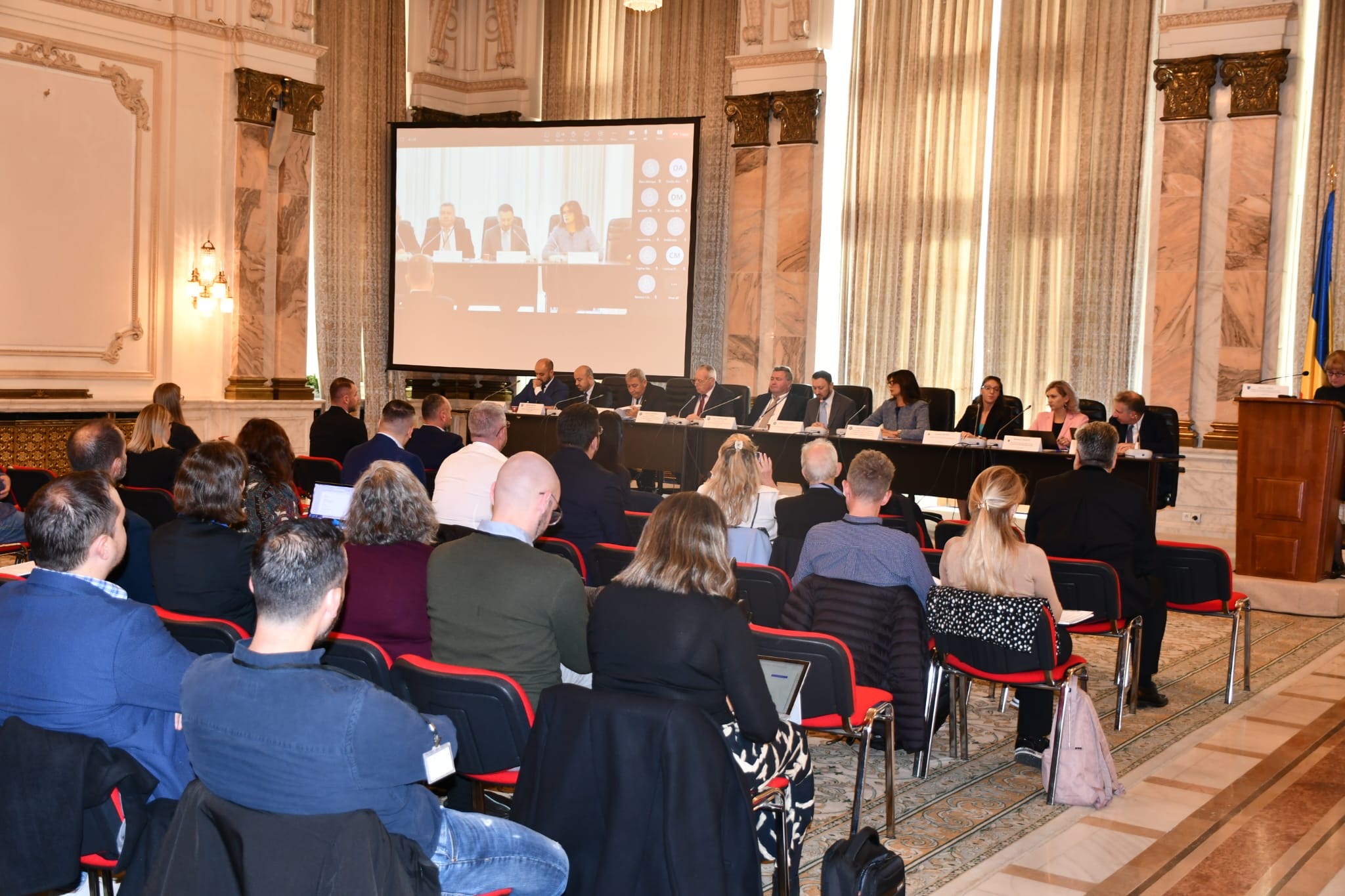
The Cluster is an informal forum for discussion where all IMPEL countries, IMPEL secretariat and the commission are welcome to participate. It is a forum for initial discussions and development of project ideas. The Cluster discusses new project ideas and reviews the progress of projects as well as the quality of final project reports within its remit. The Cluster meets twice a year in advance of IMPEL General Assembies and provides a forum by correspondence for matters arising outside this cycle.

Achievements

Activities related to the RMCEI

The Cluster has played a very important role in the development of the the Recommendation 2001/331/EC of the European Parliament and of the Council of 3 April 2001 proving for minimum criteria for environmental inspections (RMCEI). The text of the Recommendation was based on the guidelines which the the Clusterhad produced earlier. Since the adoption of the Recommendation the Cluster has supervised the execution of a series of projects aiming at promoting good practice on environmental inspections within the framework of the RMCEI. These projects facilitated an extensive exchange of experiences between environmental inspectors from different countries and resulted in numerous guidance documents on environmental inspections. For example a Management Reference Book for Environmental Inspectorates was published. Guidance was produced on Best Practices concerning Training and Qualification for Environmental Inspectors (link to report). And recently a Step to step Guidancebook was developed on planning and prioritising of environmental inspections, called “Doing the right things”, followed by training and implementation workshops.

The Commission is currently reviewing the RMCEI. In the framework of this review the Commission requested the input of IMPEL on how the Recommendation was perceived and if and how it should be further developed. During 2007 the project ‘IMPEL Input to the further development of the RMCEI’ was carried out. As a first stage of the project a questionnaire was sent to all IMPEL Members asking for their views on the Recommendation. The replies received – from 23 countries – were collated and discussed in two workshops. On the basis of these discussions a report with conclusions on the further development of the RMCEI was drawn up and specific proposals for the modification of the text of the RMCEI were drafted.

The RMCEI contains the invitation to IMPEL “…to consider the establishment of a review scheme, under which Member States report and offer advice on inspectorates and inspection procedures.” This has been taken up by IMPEL by establishing the succesfl IMPEL Review Initiative (IRI) Scheme. The IRI scheme is a voluntary scheme developed by the IMPEL Network providing for informal reviews of environmental authorities in IMPEL Member countries. The IRI is intended to enable the environmental authority and the Review Team to explore how the authority carries out its tasks. It aims at identifying areas of good practice for dissemination together with opportunities to develop existing practice within the authority and authorities in other IMPEL Member Countries. A number of authorities have bveen reviewed over the last 9 years. The scheme itself was recently reviewed and redesigned.

Activities related to the IPPC-Directive

A range of projects was carried out related to the EU Directive concerning integrated pollution prevention and control (IPPC-Directive) These concern many different aspects of the directive like issuing permit requirements related to energy efficiency, waste, emissions to air and monitoring and reporting, the process of integrated permitting, the use of general binding rules as an alternative to permitting, changes in industrial operations, the consideration of health aspects, reconsideration and updating of permits, the use of BREF’s, the inter-relationship between the IPPC-Directive and other EU Directives etc. Some projets focussed on specific (industrial) sectors like cement plants, tanneries, food processing and production and pig farms.

Activities related to the Seveso-Directive

Under the title “Lessons learnt form Accidents” France leads an ongoing project linked to the EU Directive on the control of major-accident hazards (Seveso II Directive). Under this project a series of seminars have been organised to examine industrial accidents with an impact on the environment. The seminars aimed at providing support and guidance to environmental authorities when evaluating causes and consequences of accidents and developing industrial accidents and developing strategies to combat and prevent these accidents.

Other Activities

Under the Cluster a series of projects were carried out with the aim of comparing pactices in IMPEL Member countries related to a range of other general topics like compliance promotion, criminal enforcement of environmental law, complaint procedures and access to justice for citizens and NGOs, methodologies used for fine estimation etc. Other projects focussed on the implementation of certain specific EU directives like the EU Directive on the assessment of the effects of certain plans and programmes on the environment (SEA Directive) and the EU Directive on the limitation of emissions of volatile organic compounds due to the use of organic solvents in certain activities and installations (VOC-Directive).

A number of projects aimed at the development of practical tools to assist environmental authorities in implementing environmental legislation. The muti annual project on conflict resolution through neighbourhood dialogue is a good example of such a project. A neighbourhood dialogue is a voluntary long-term communication instrument to solve environmental problems and conflicts between industrial sites and their neighbours. In this project different ways of dealing with existing conflicts and the avoidance of conflicts were analyzed and a toolkit was developed for inspection authorities for the initiation and support of specific types of voluntary neighbourhood dialogue to address environmental problems as a complementary means for better enforcement.

Read more on all these projects on the Project Page.

Current and Future Work Areas

For 2010 and beyond it is foreseen that the Cluster will devote its attention to the following work areas:

  • contributing to the further development of minimum criteria for environmental inspections;
  • supporting authorities in using inspection (intervention) strategies, setting supervision and compliance targets and performance monitoring;
  • carrying out reviews under the revised IRI Scheme;
  • supporting the implementation of the IPPC-Directive, Waste Directives, Seveso-Directive, Air Quality Directives, Emissions Trading Directive and Water Framenwork Directive.

Read more on the Cluster 1 projects planned for 2010 in the overall IMPEL Annual Work Programme for 2010.

Cluster Agenda and Practical Information

  • Cluster meetings: meetings are announced in the diary
  • Cluster meeting documents (agenda and minutes): see the library under Cluster 1
  • Cluster management:
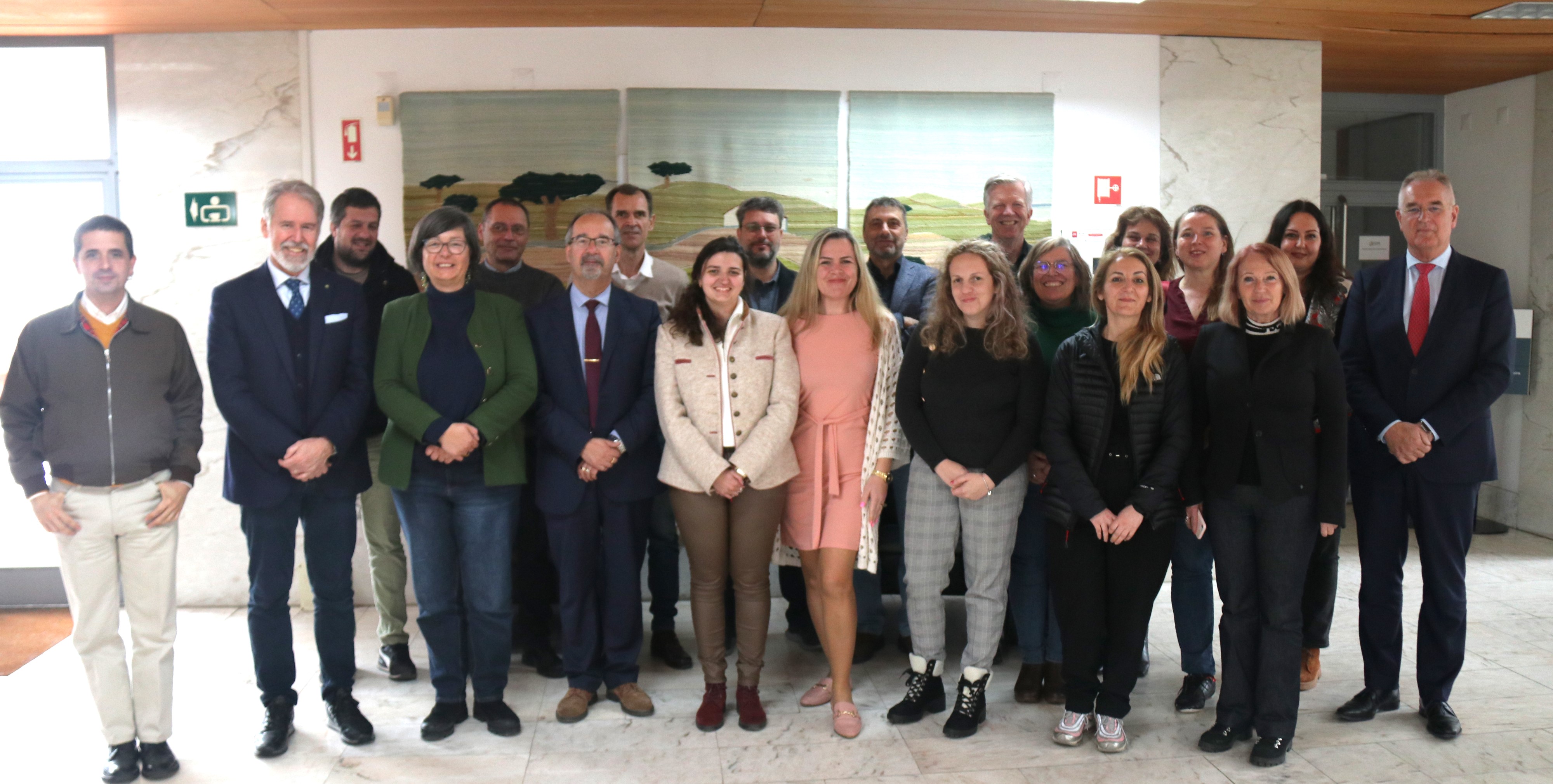
    - The Cluster is chaired by Ms Isabel Santana (PT) and Mr Horst Buether (DE).
    - The Cluster Secretary is Ms Friederike Hermann (DE).
  • Contact: Friederike.Herrmann@uba.de