


-

Tender for IMPEL Video Production
-
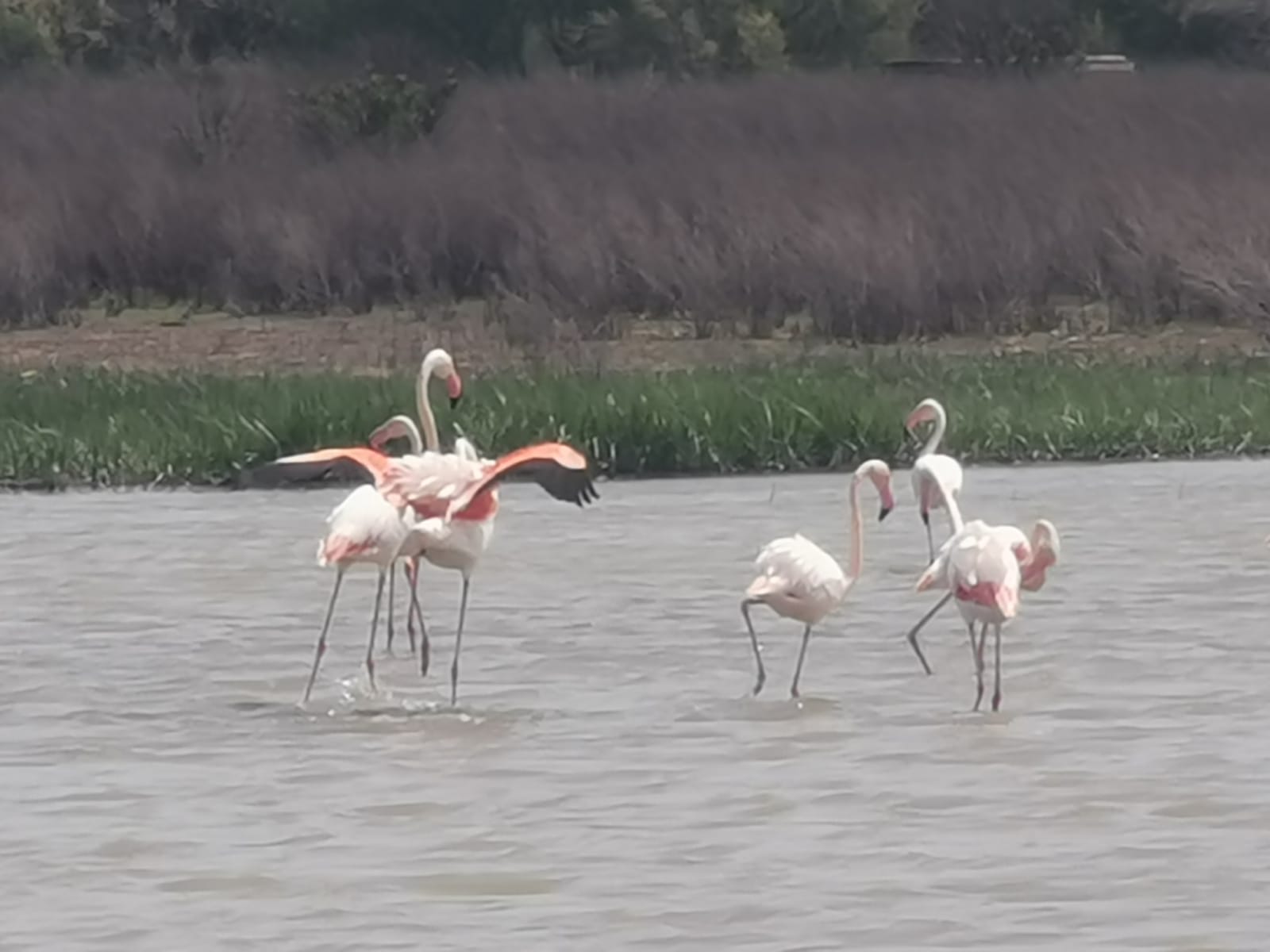
Intensive Groundwater Abstraction in Málaga Province (Spain), 4-5 April 2024
-
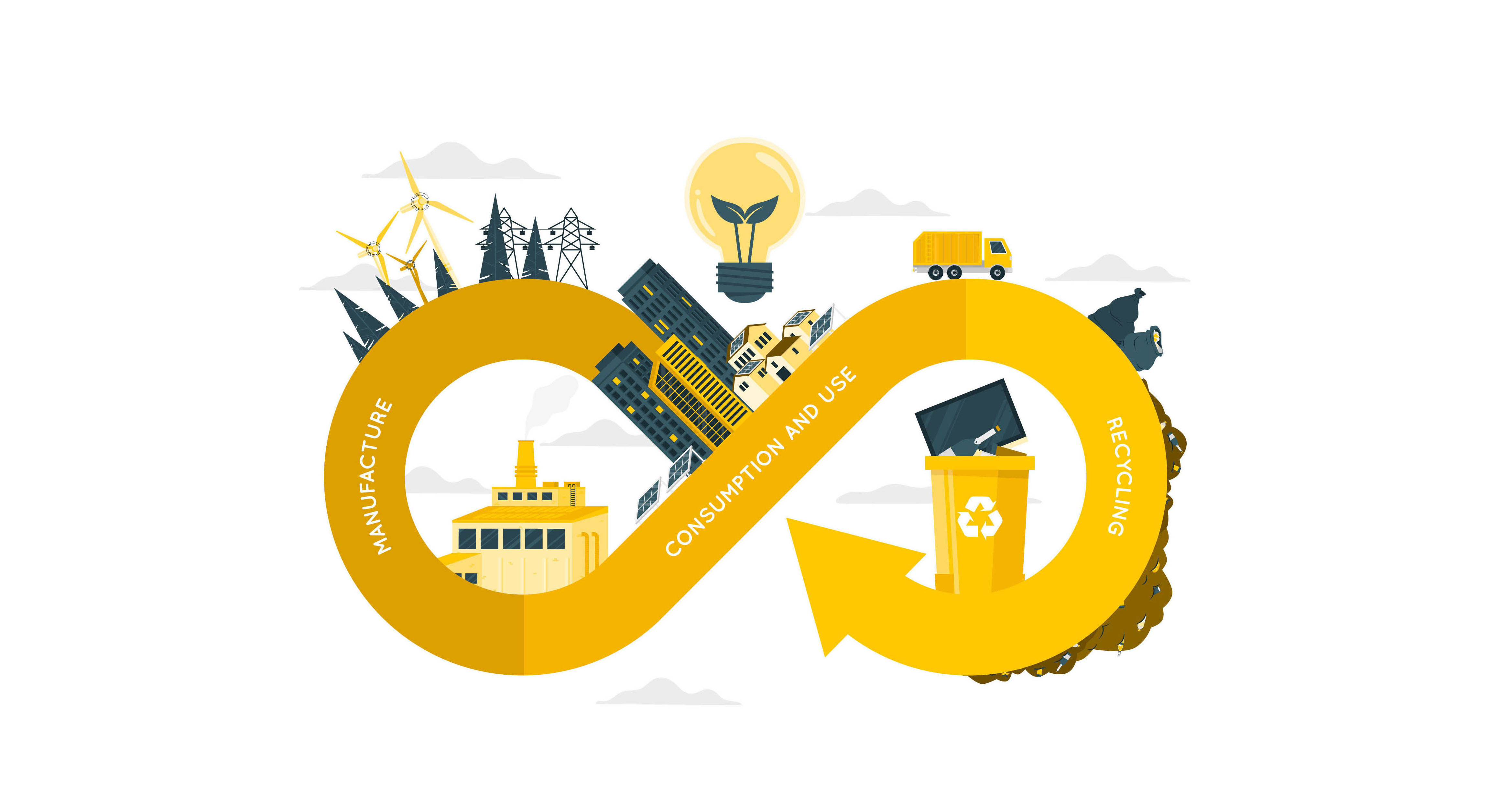
IED&Circular Economy Meeting in Bratislava 19-20 March, 2024
-
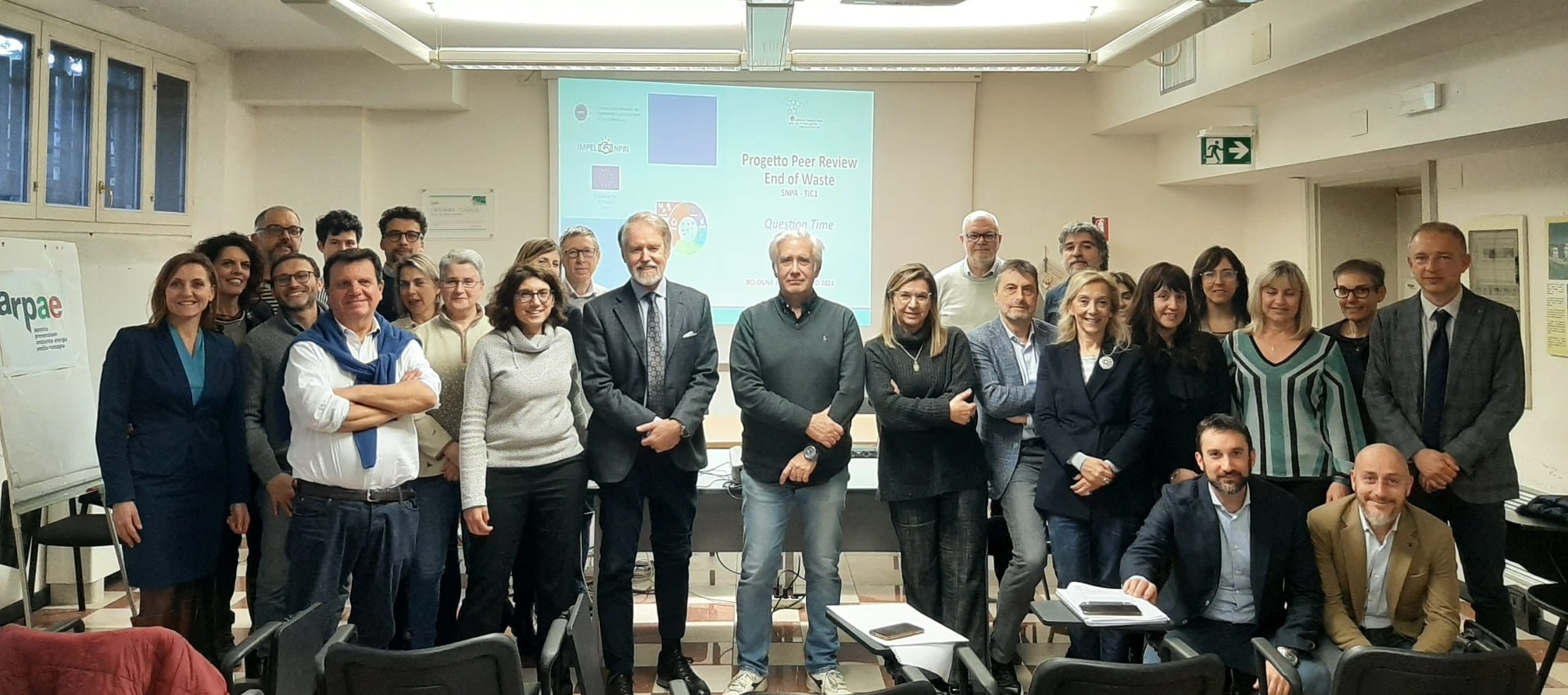
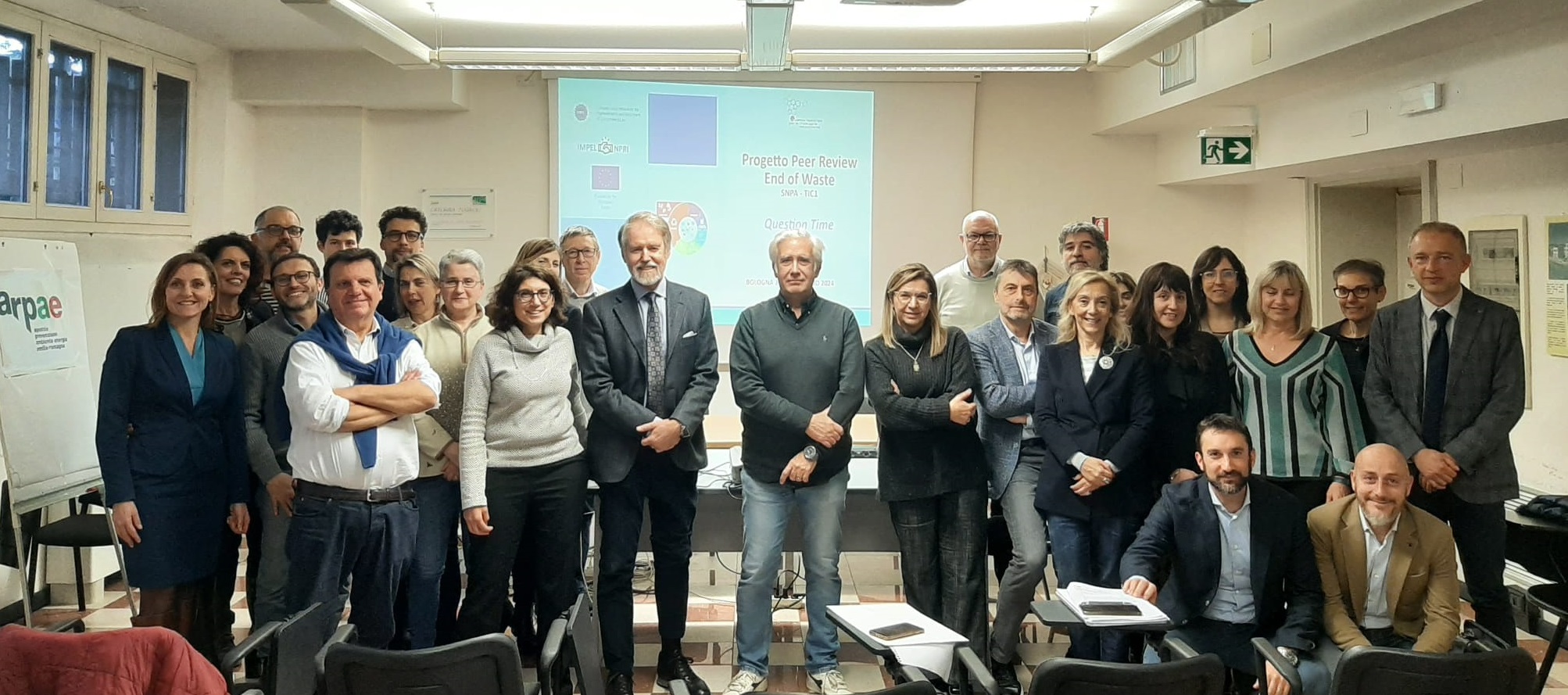
National Peer Review Meeting in Bologna, Italy on 20-21 February 2024
-

LIFE SWEAP Project Launches Last Industry Survey
-
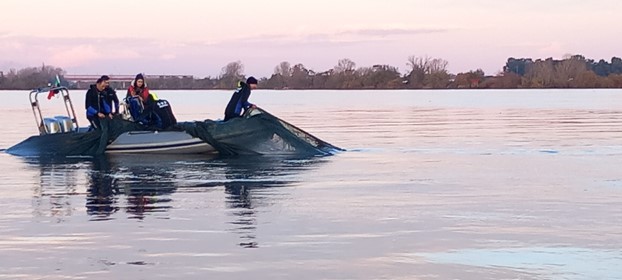
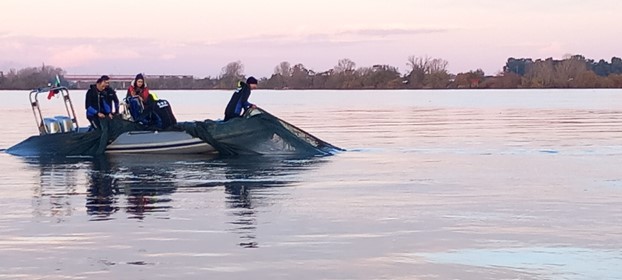
IMPEL Action Plan Against Wildlife Trafficking meeting and Joint Inspection in Lisbon, 11-12 January 2024 –Tackling the Glass eel trafficking
-

IMPEL National Peer Review Initiative (NPRI) Meeting in Èvora, Portugal
-
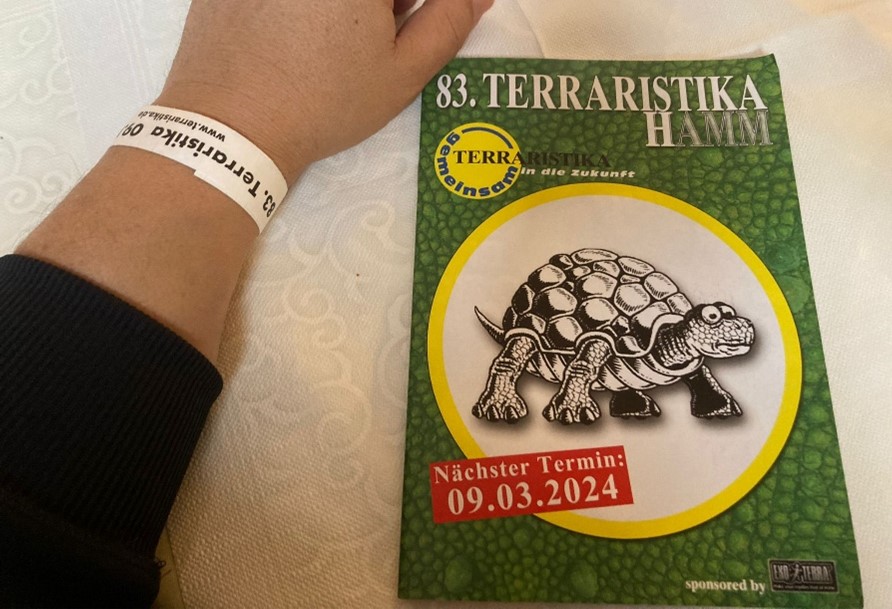
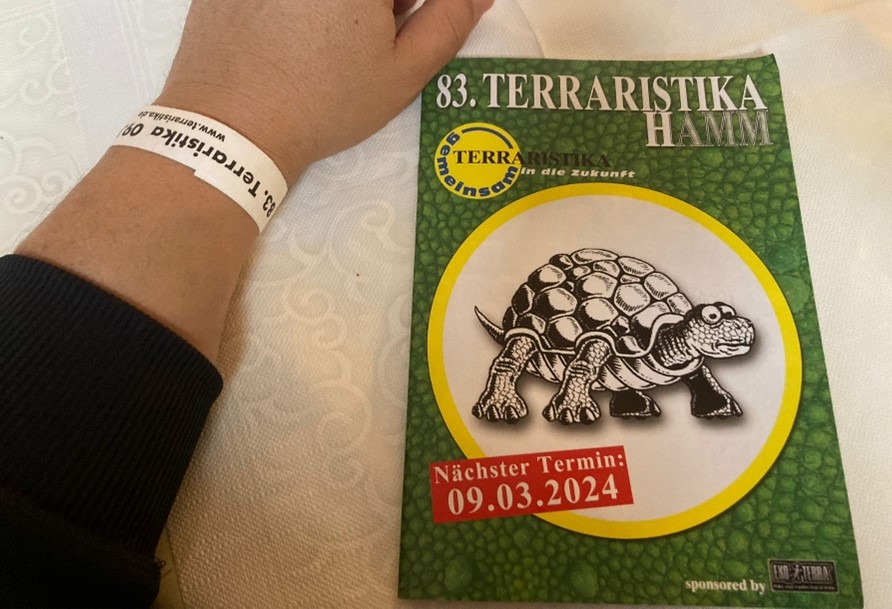
IMPEL Action Plan Against Wildlife Trafficking meeting and Joint Inspection on Terraristika, Hamm, 08 and 09 December 2023
-
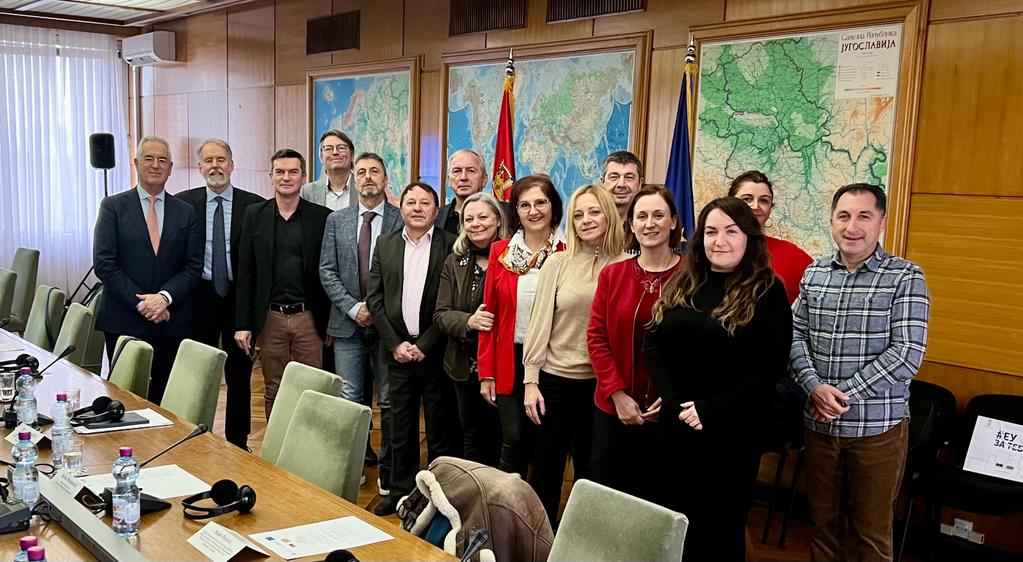
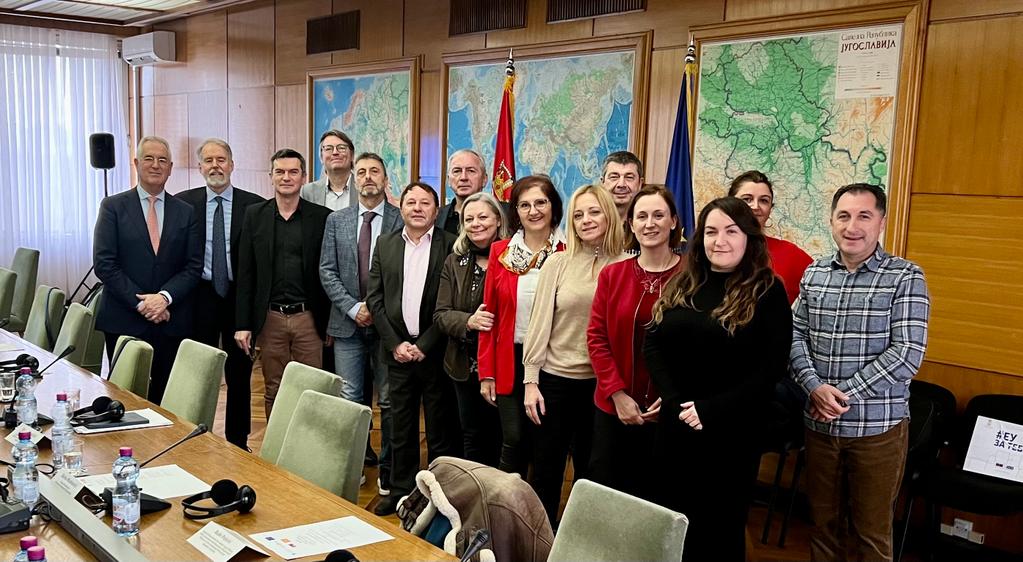
IMPEL National Peer Review Initiative (NPRI) Meeting in Belgrade, Serbia
-
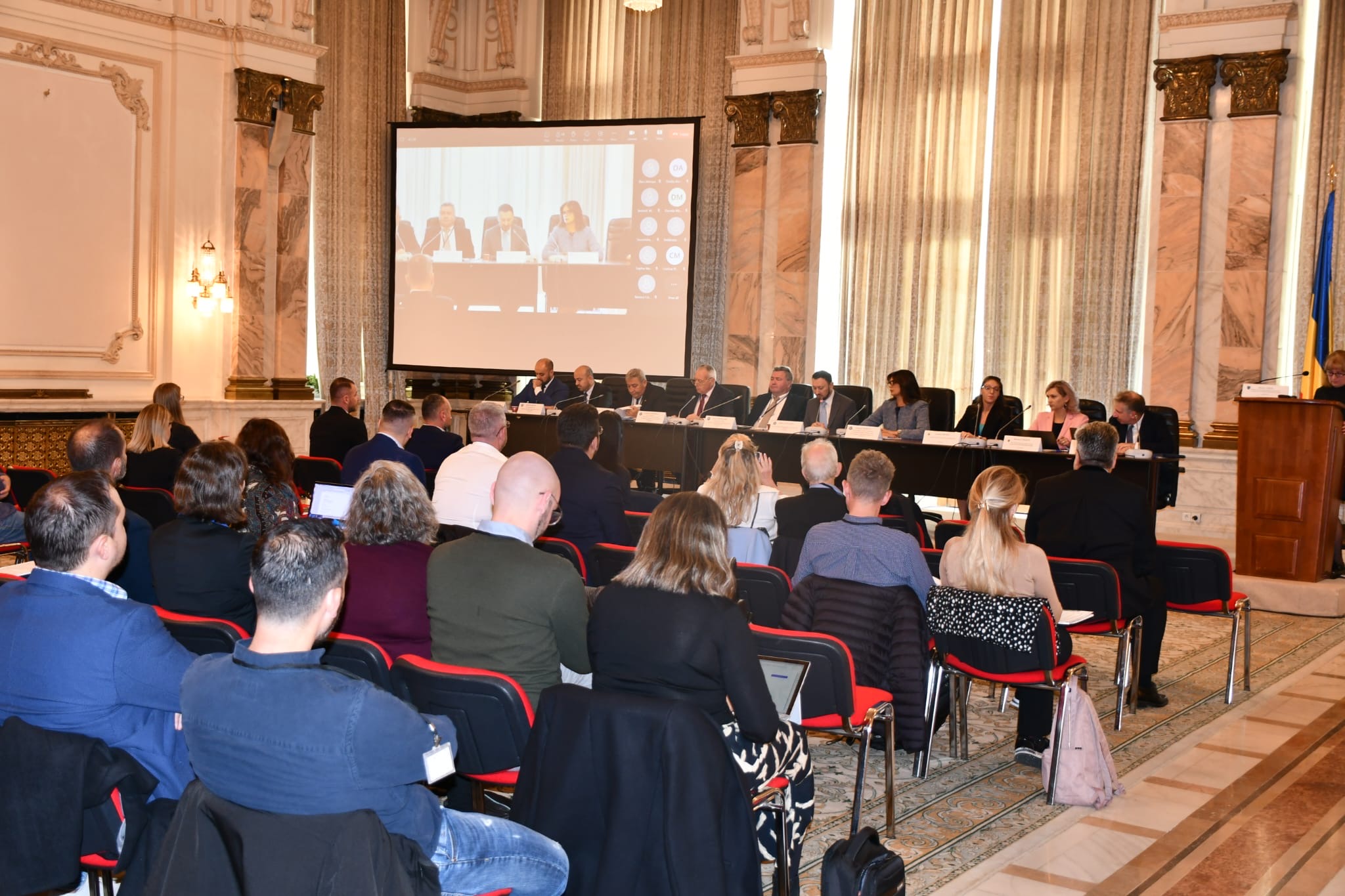
IMPEL Water and Land Conference 2023
-
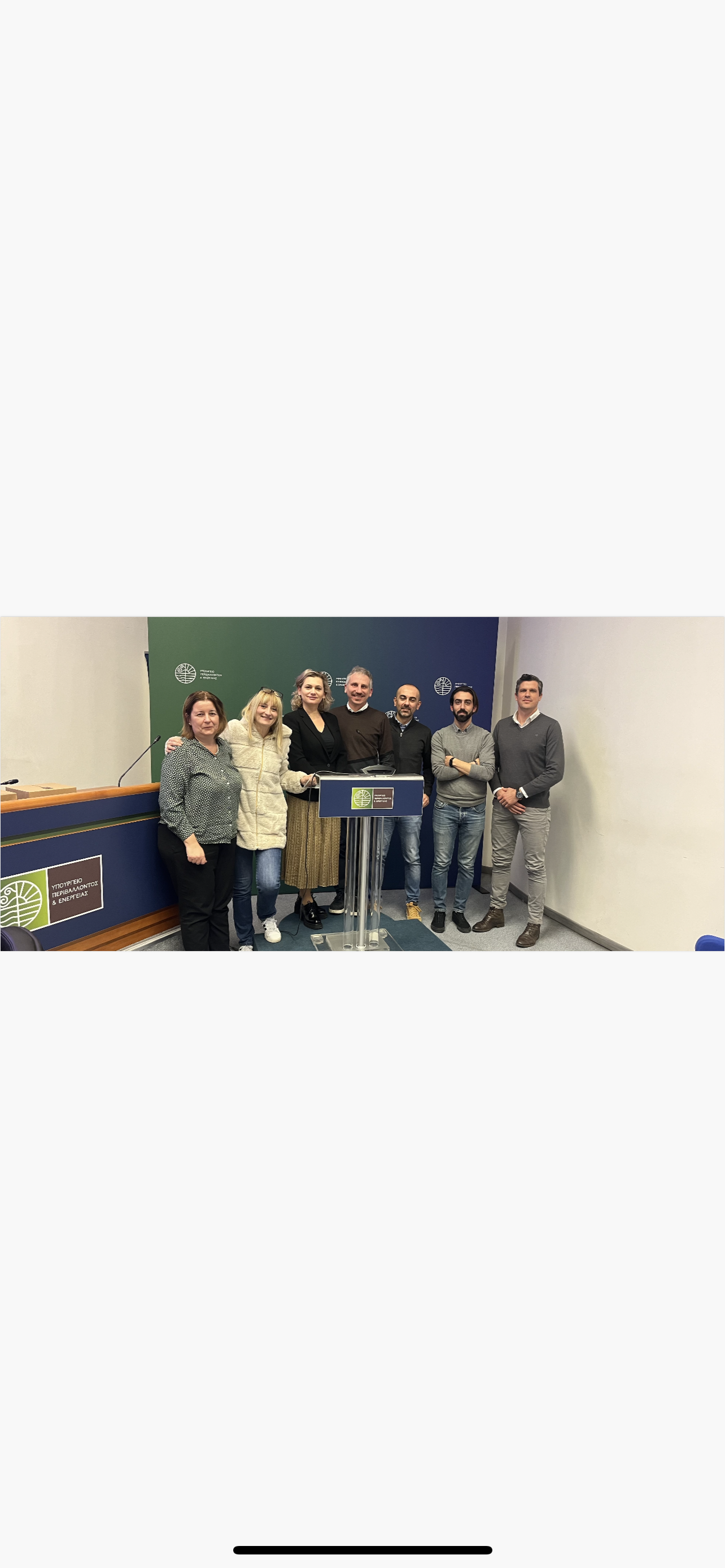
IMPEL Criteria for the Assessment of the Environmental Damage (CAED) Project Meeting in Athens
-

Invitation to tender: LIFE SWEAP Project Video
-

Invitation to tender: LIFE SWEAP Project Video
-
Invitation to tender: LIFE SWEAP Project Video
-
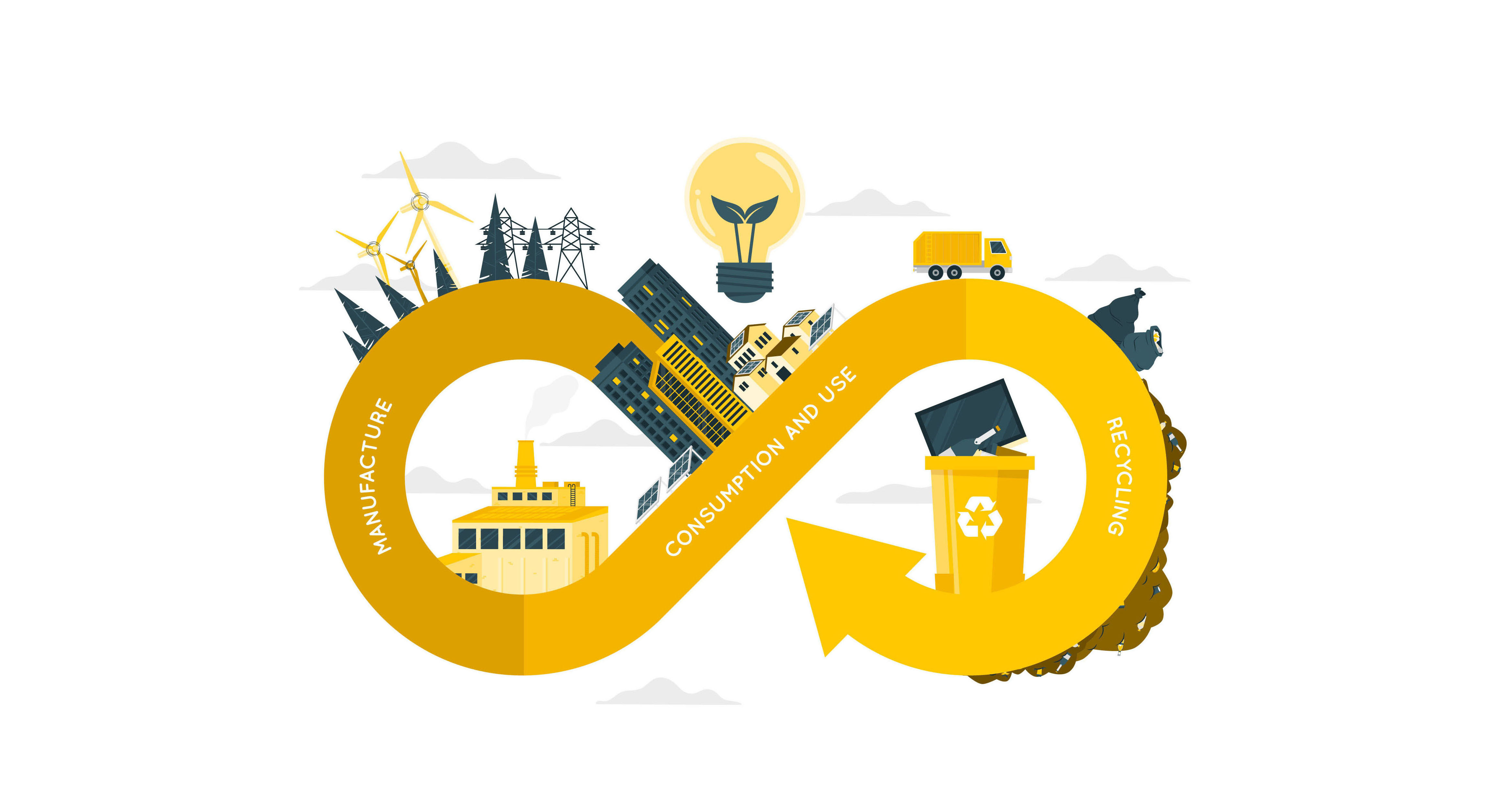
Invitation to tender: LIFE SWEAP Project Video
-
Invitation to tender: LIFE SWEAP Project Video
-

Invitation to tender: LIFE SWEAP Project Video
-
Invitation to tender: LIFE SWEAP Project Video
-

Invitation to tender: LIFE SWEAP Project Video
-
Invitation to tender: LIFE SWEAP Project Video
-
Invitation to tender: LIFE SWEAP Project Video
-
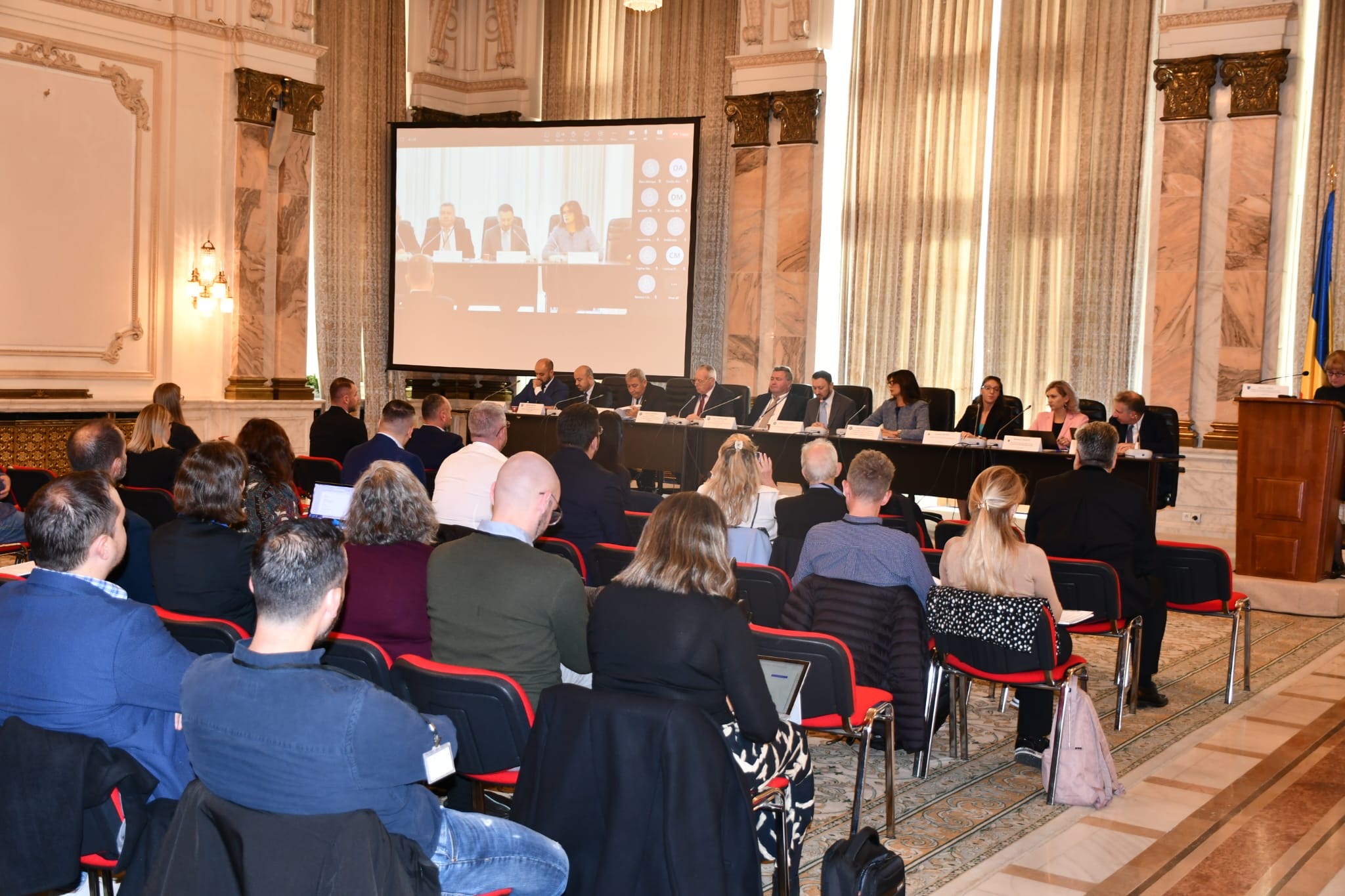
Invitation to tender: LIFE SWEAP Project Video
-
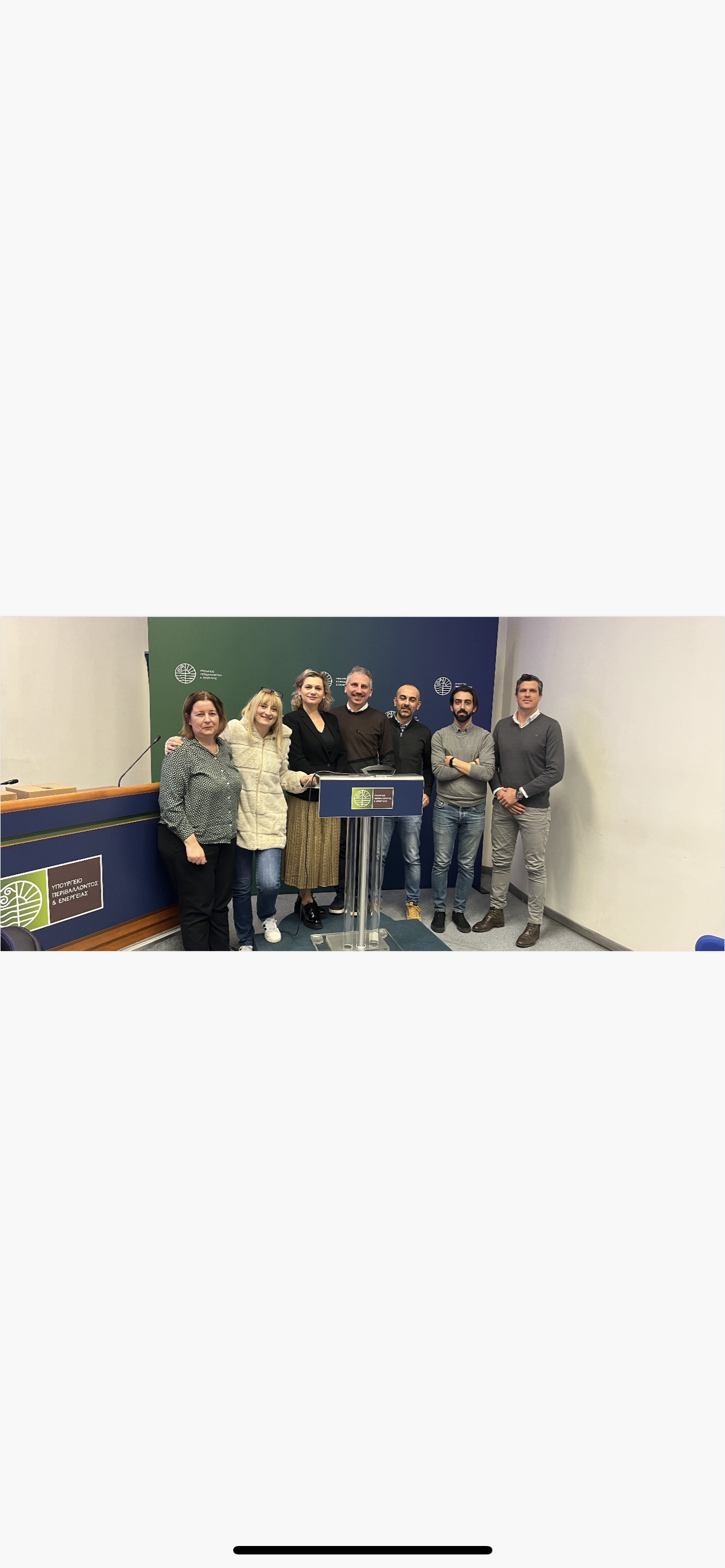
Invitation to tender: LIFE SWEAP Project Video
-

Invitation to tender: LIFE SWEAP Project Video
Welcome to IMPEL
The European Union Network for the Implementation and Enforcement of Environmental Law (IMPEL) is an international non-profit association of the environmental authorities of the European Union Member States, acceding and candidate countries of the EU, EEA and EFTA countries and potential candidates to join the European Community.
Our mission is ensuring effective implementation and enforcement of European environmental law by promoting professional collaboration, information, and best-practice exchange between environmental regulators.
(*This designation is without prejudice to positions on status, and is in line with UNSCR 1244/1999 and the ICJ Opinion on the Kosovo declaration of independence.)